AC Repair: Important Details to Keep It Working Well
Air conditioning repair is essential for ensuring a cool indoor climate, particularly during the hottest parts of the year. Many homeowners miss the warning indicators until it's too late. Familiarizing yourself with frequent malfunctions and the value of routine upkeep can greatly improve outcomes. Richardson Air Conditioning Repair. Furthermore, understanding when DIY fixes are appropriate or seek professional help is crucial. This article covers these topics and guide homeowners in keeping their systems efficient and reliable
Typical AC Malfunctions
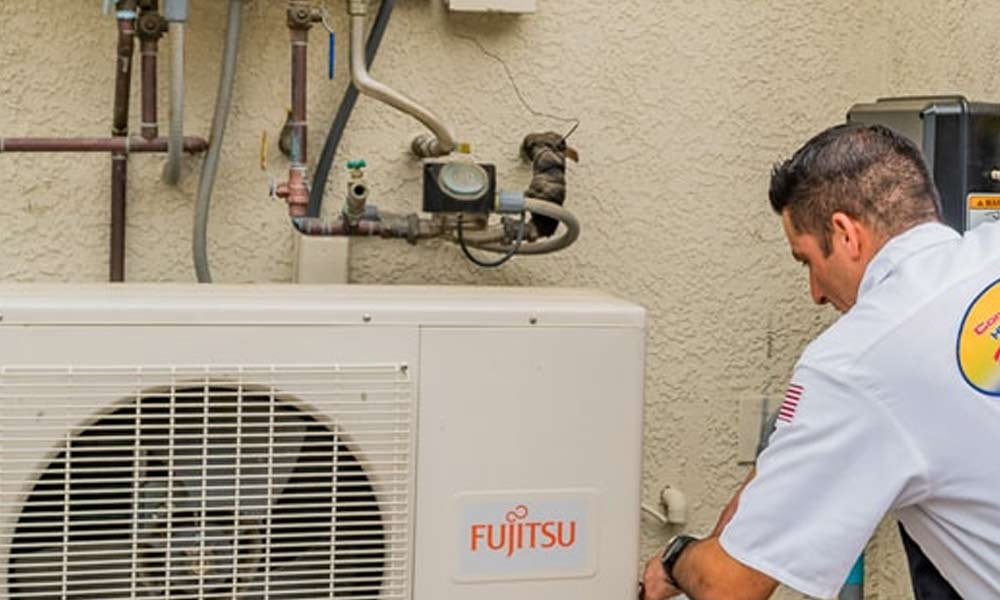
When cooling systems fail, a few frequent malfunctions might appear that can disrupt cooling efficiency. One prevalent issue is a refrigerant leak, which reduces the unit's capacity to adequately cool the air. A further typical issue is clogged filters, impeding the flow of air and making the unit strain, which results in increased energy consumption. Furthermore, faulty temperature controls can lead to false readings, making the AC run non-stop or be unable to provide enough cold air. Electrical failures, such as bad connections or burnt fuses, can also stop the unit from turning on. In addition, grimy outdoor coils may reduce the cooling process, lowering total efficiency. Each of these issues can severely compromise an air conditioning system's efficiency and lifespan, necessitating timely attention to maintain maximum output. Understanding these common problems allows property owners to act proactively in caring for their AC units.
Indicators That Your AC Requires Service
When the weather gets warmer, it is essential for homeowners to identify indicators that show the cooling system is failing. One of the most noticeable signs is insufficient cold air; if the system fails to reach the desired temperature, it may suggest a leak or a failing compressor. Moreover, unusual sounds such as grinding, squealing, or hissing can be signs of component failure that must be addressed. Property owners must also watch out for strange smells, which might suggest electrical issues or mold growth within the unit. Too much dampness indoors, even when the air conditioner is operating, can suggest the system is failing. In addition, a spike in energy bills even if usage hasn't changed may suggest poor performance that demand attention. Early detection of these symptoms can prevent further damage and make sure the system runs efficiently when temperatures are high.
Scheduled Upkeep is Key
Identifying the indicators that an air conditioning unit needs repair is just one aspect of home comfort. Regular maintenance is vital in making sure the AC system performs well - AC Repair in Richardson. Preventative maintenance makes it possible to find minor faults before they escalate access now into costly repairs, saving the system from early replacement. Scheduled maintenance, like checking components and washing filters, enhance system performance and promote energy efficiency, leading to lower utility bills
Furthermore, regular maintenance contributes to healthier indoor air by reducing dust and allergens circulating in the home - Richardson Air Conditioning Repair. Those who prioritize maintenance can also suffer fewer malfunctions when the AC is used most, maintaining coolness during extreme weather. To summarize, prioritizing regular maintenance not only safeguards the investment in the air conditioning system but also fosters a healthier home and consistent home comfort
Simple Fixes to Try First
If you notice problems with an air conditioning unit, a few easy diagnostic checks can often reveal the cause. Checking the thermostat settings, inspecting the air filters, and examining the outdoor unit are effective methods to verify proper operation. Such basic inspections can be time-saving and keep repair costs down.
Adjusting the Thermostat

How does adjusting the settings to the thermostat enhance cooling performance? Making sure the thermostat is on the right setting is vital for ideal cooling. When the thermostat is set incorrectly or incorrectly set, it can cause the unit to run badly, resulting in a lack of comfort and higher energy bills. Users should check if the thermostat is set to the cooling function and verify that the temperature setting is lower than the current room temperature. Furthermore, they should confirm that the unit is not receiving direct sunlight, as this may influence its readings. Monitoring these settings allows for more effective cooling cycles and helps prolong the lifespan of the air conditioning system by reducing unnecessary strain.
Review the Air Filters
After confirming the thermostat settings, attention should turn to the air filters, which are vital to the efficiency of an air conditioning system. Dirty or obstructed filters may impede air movement, resulting in reduced efficiency and higher power usage. It is recommended to inspect the filters regularly, at least once a month, especially when the unit is used most often. They must remove the filters and visually check for dirt and debris. Richardson Air Conditioning Repair. If they appear dirty, replacing or cleaning them is recommended. Keeping the air filters in good shape not only enhances air quality but also extends the operational life of the air conditioning unit. Ensuring clean filters can greatly improve the system's efficiency and minimize the chance of costly repairs
Check the Outdoor Unit
The outdoor unit of an air conditioning system is essential for ideal cooling performance, meaning its inspection is crucial for problem-solving. Regular inspections are useful for spotting common issues. To start, verify the unit has no debris, such as leaves and dirt, which will impede air circulation. Next, check for any visible damage to the fins or coils, as this can affect efficiency. Check for abnormal sounds that might suggest internal malfunctions. Additionally, verify that the fan is operating correctly and that there are no fluid leaks from the coolant lines. Lastly, verify the unit is sitting flat, as an uneven surface might cause mechanical difficulties. Addressing these points can boost the system's efficiency and prolong its lifespan.
Skilled Fixing Work
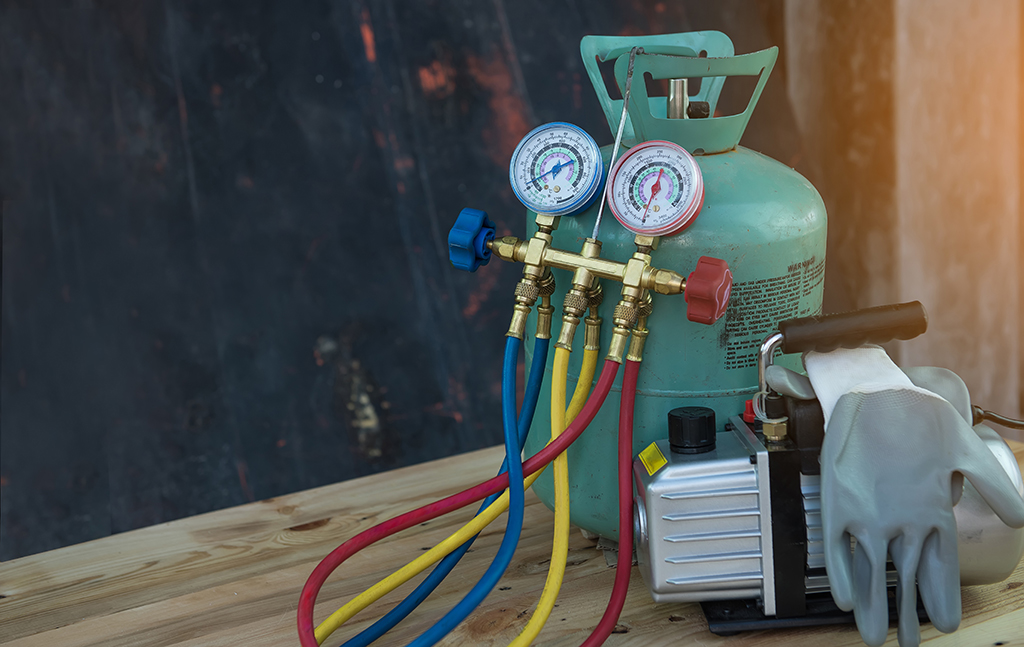
Dependable air conditioning maintenance are crucial for maintaining a cool indoor setting, particularly during the scorching summer months. These services encompass a number of tasks intended to diagnose and resolve issues promptly. Specialists perform detailed inspections of the entire HVAC setup, spotting problems like refrigerant leaks, electrical problems, or compressor breakdowns.
Prompt repairs can prevent minor issues from turning into costly breakdowns, ensuring peak performance. Expert services usually feature routine tune-ups, which help to prolong the system's lifespan and enhance energy savings. Moreover, competent technicians utilize specific tools and up-to-date knowledge of industry standards to provide effective solutions.
Choosing the Ideal HVAC Professional
Picking a certified HVAC technician is essential for ensuring that air conditioning systems get proper attention and care. When selecting a technician, homeowners need to emphasize certification and licensing, as these qualifications show that the technician has completed necessary training and follows industry standards - Richardson AC Service. Expertise is another crucial factor; technicians with a few years in the field typically possess a better understanding of various systems and potential issues
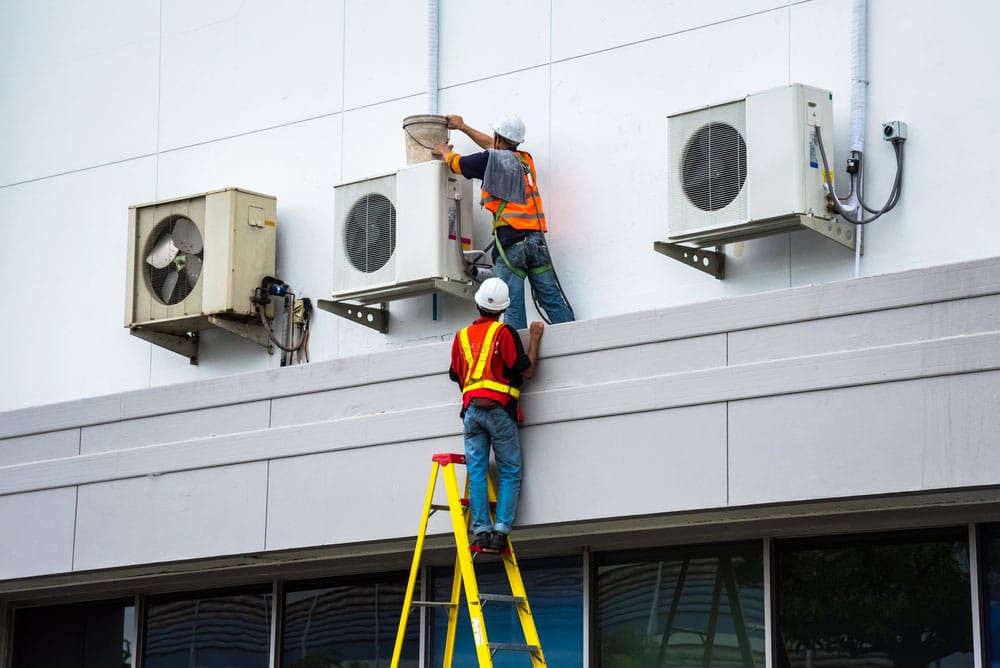
Additionally, checking for reviews and references can give an idea of a technician's reliability and workmanship. It is also helpful to ask about warranties or guarantees on services performed, which can reflect the technician's confidence in their work. In conclusion, finding a technician who communicates effectively and details the repair process can foster trust and clarity. By reviewing these factors, homeowners can select the best option and guarantee their air conditioning systems are cared for by skilled professionals.
Cost Factors in Air Conditioning Service
What influences the expense of air conditioning repair? Multiple elements contribute to the overall pricing of repairs. First, the type and difficulty of the issue significantly impact pricing. Minor repairs, for example, swapping out a capacitor, usually cost less compared to larger failures such as a failed compressor. In addition, the unit's age and model can affect the cost of repairs; aging units might require specialized parts, which can be more expensive and difficult to locate.
The cost of labor also are critically important, varying by region and the technician's expertise. Additionally, last-minute repair calls usually cost more. Finally, the season can influence costs, as service calls during the warmest months may be costlier due to increased need. Grasping these variables can assist property owners better prepare for possible costs associated with air conditioning repair.
FAQs
When Should I Change My Air Filter?
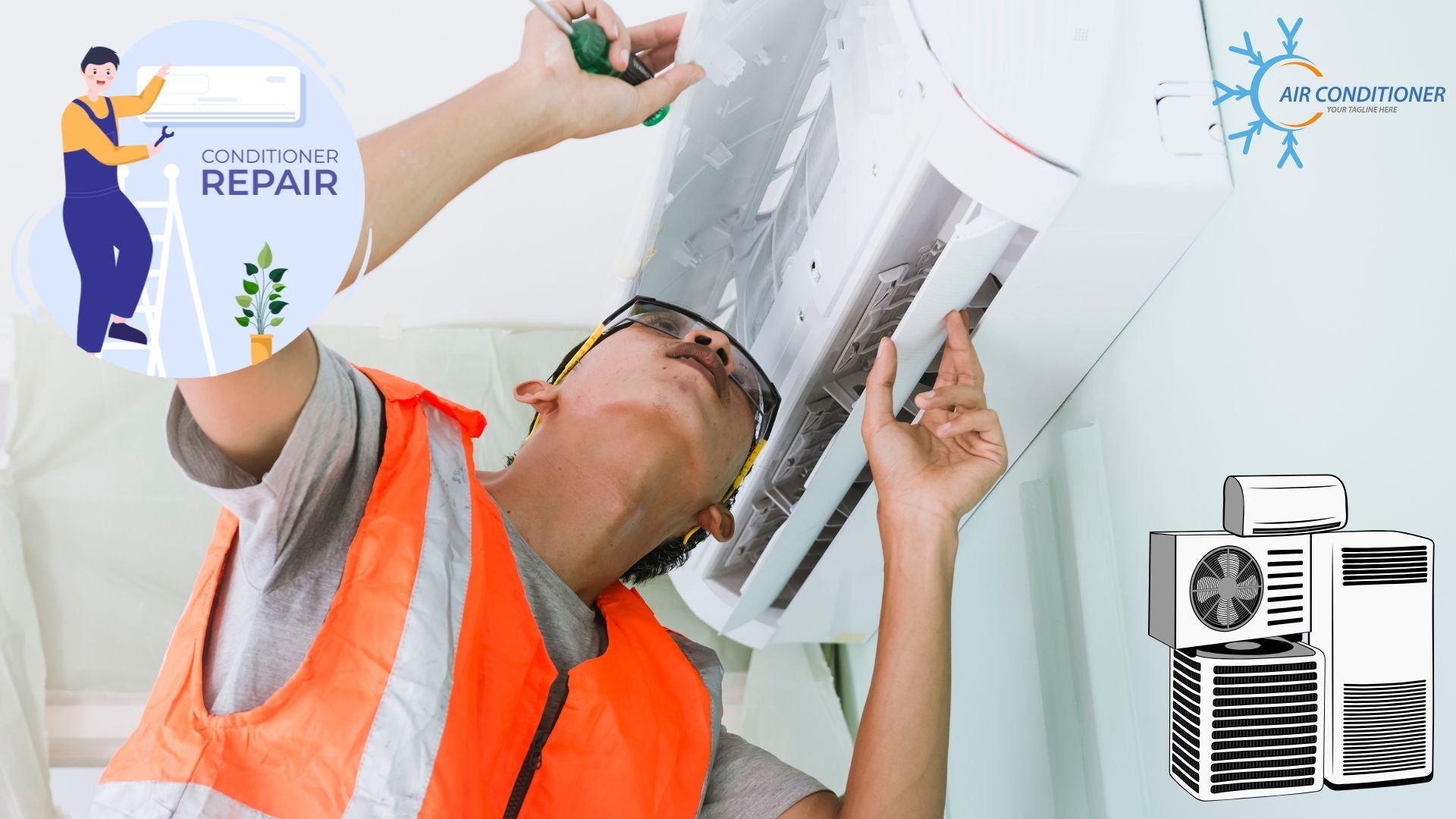
Typically, air filters should be replaced every 1 to 3 months, varying with usage and household factors such as having pets or dealing with allergies - AC Repair in Richardson. Changing them regularly boost air purity and the unit's efficiency, guaranteeing optimal function of the air conditioning unit.
Should I Leave My AC On While Away?
Operating the AC system while on vacation is generally advisable to regulate the temperature and moisture, stopping issues or mold growth. Nevertheless, utility bills might rise, so consider adjusting the thermostat or installing a timer.
What Is the Lifespan of an Air Conditioning Unit?
The standard duration of an air conditioning unit is usually between 15 and 20 years, depending on factors such as maintenance, how often it's used, and surrounding environmental factors, which can greatly influence its longevity and efficiency over time.
Can I Get Energy-Efficient Air Conditioning?
Absolutely, there are efficient models for air conditioning, including systems with elevated SEER scores, ductless mini-splits, and smart thermostats. These technologies help reduce energy consumption and still providing ideal cooling performance in residential and commercial spaces.
How Do I Know if My AC Is Overworked?
Signs of an overworked air conditioning system include inadequate cooling, unusual noises, short cycling, high energy bills, and excessive humidity. Observing these data points will help pinpoint potential strain within the system.